James McNeill Whistler
James McNeill Whistler (1834–1903) was an American-born artist who spent much of his career in Europe. He is well known for his paintings, but also for his beautiful etchings and drypoints.
His prints are often surprisingly simple and delicate. With fine lines and carefully chosen details, Whistler was able to capture the atmosphere of everyday life, from busy streets and small shops to quiet riverside scenes.
Whistler and Printmaking
Whistler was a master of both etching and drypoint. In his drypoints, he scratched directly into the metal plate with a sharp needle. The burr created by this process produces the characteristic soft, rich lines of drypoint.
For his etchings, he worked on a metal plate covered with an acid-resistant ground. After drawing through the ground with an etching needle, the plate was placed in acid to bite the exposed lines into the metal.
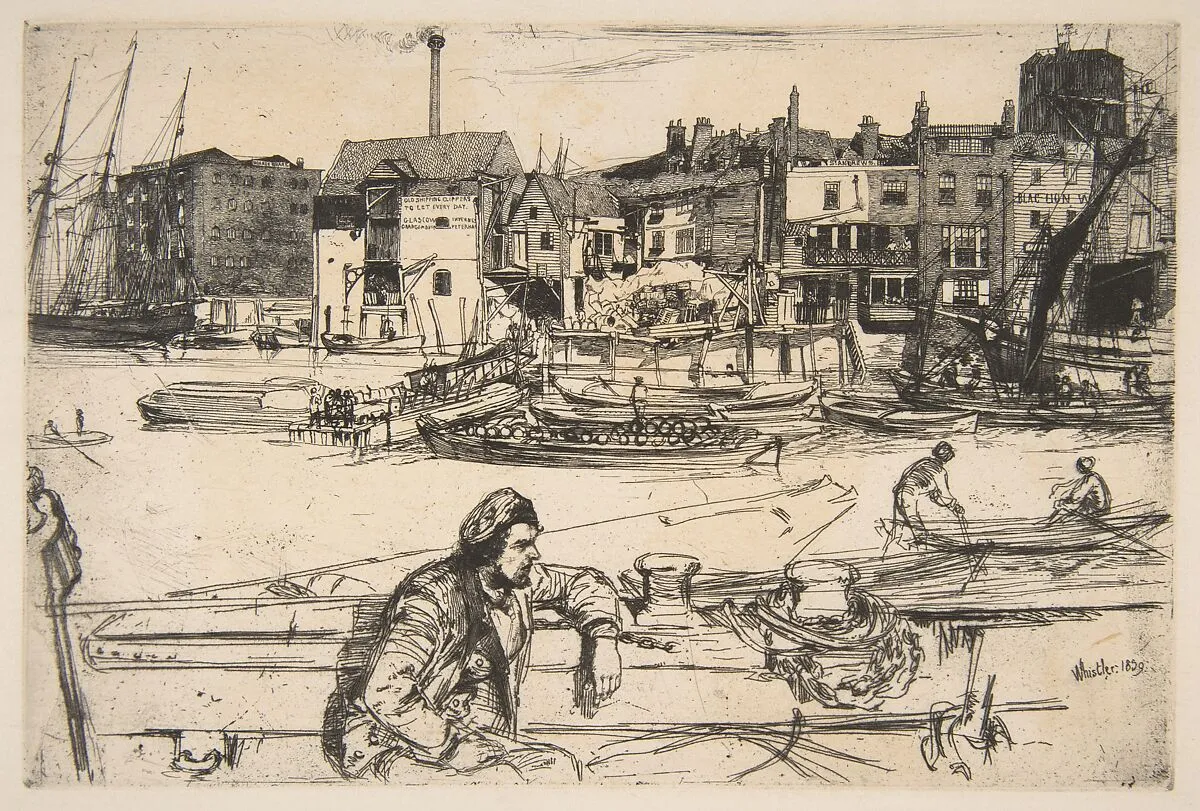
One of his best-known groups of prints is the **Thames Set**, inspired by the River Thames and the busy life along its banks in London. One of these prints, *Black Lion Wharf*, is shown on this page.
What I particularly like about Whistler’s prints is how much he can suggest with relatively few lines. Buildings, people, water and sky are sometimes only lightly indicated, yet the scene still feels complete. His work shows that a print does not need to be filled with detail to create a strong sense of place and atmosphere.
A Source of Inspiration
Whistler remains an important source of inspiration for printmakers today. I particularly admire his use of line, his subtle tonal variations and the seemingly effortless way he creates atmosphere.
I also use his etchings and drypoints as inspiration and reference for my own work. Fortunately, much of his work is now in the public domain, which makes it possible to study his prints closely online.
I use the "Catalogue of Etchings and Dry-Points" as a guide and enjoy searching online for examples of the 396 prints listed in the catalogue. It is a fascinating way to explore the development and variety of Whistler’s printmaking.
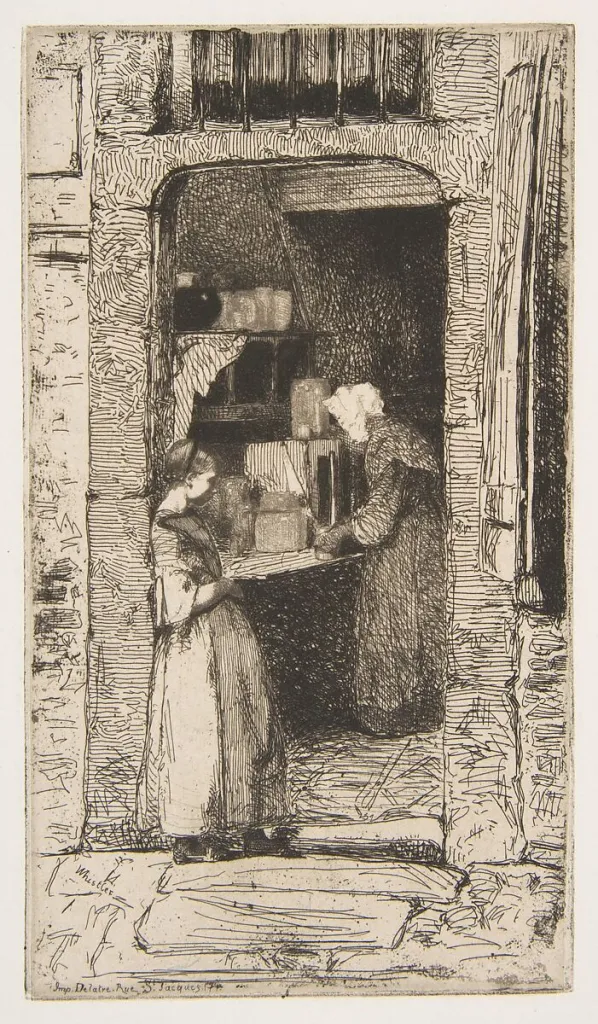
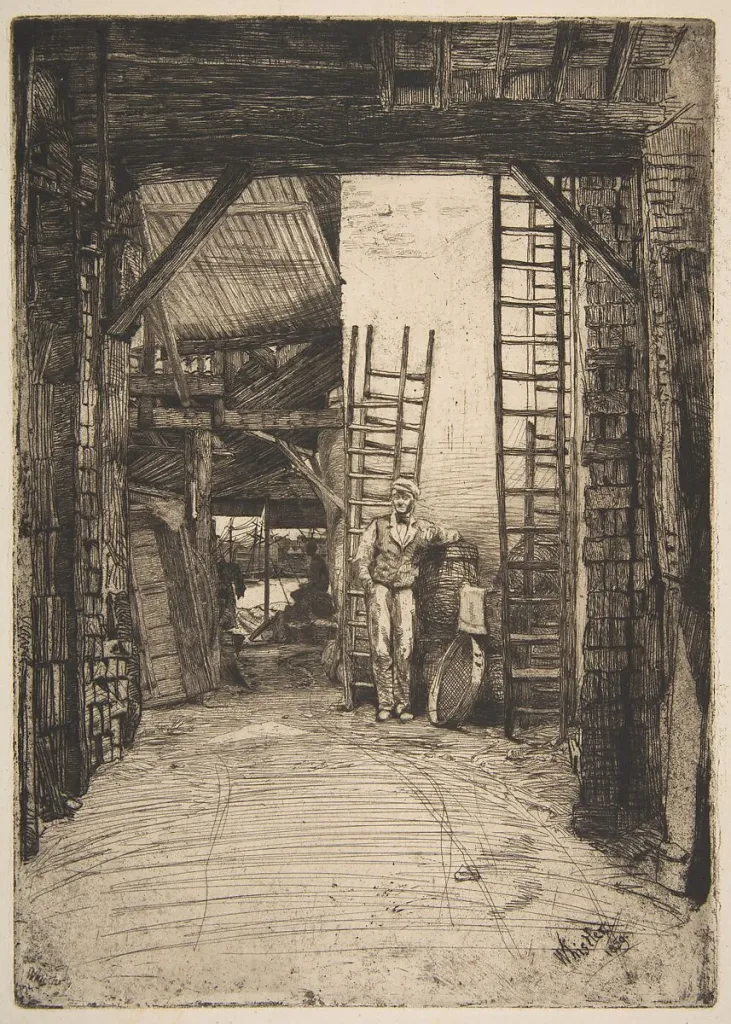
Alongside "Black Lion Wharf" from the Thames Set, I have included two other works that I find particularly interesting and representative of his printmaking: "La Marchande de Moutarde" and "The Lime-Burner".
I am sure you can work out which title belongs to which image!
Latest Blog Posts
Sweet Cherries
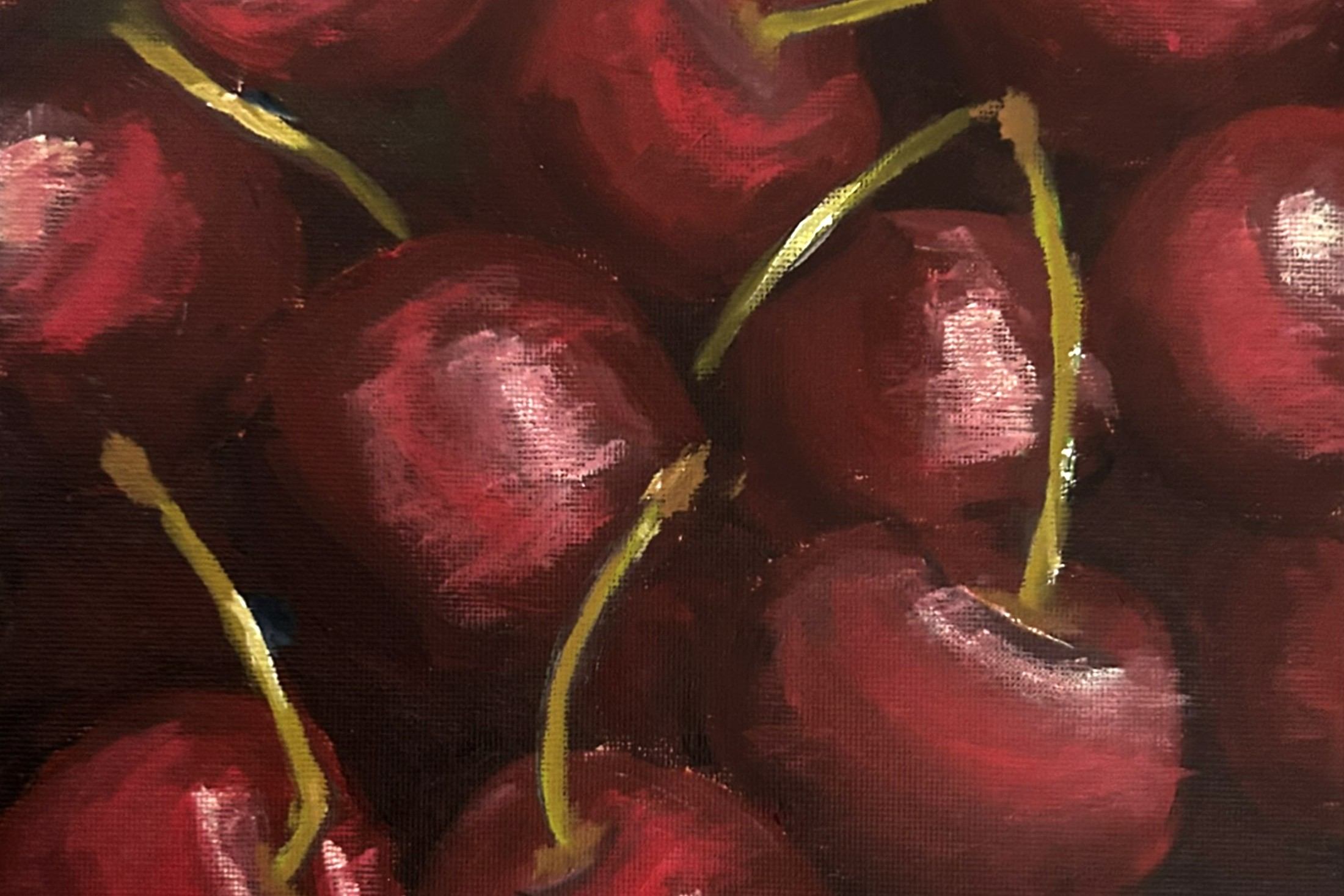
Another finished oil painting, again on a small canvas board, this time featuring sweet, ripe cherries.
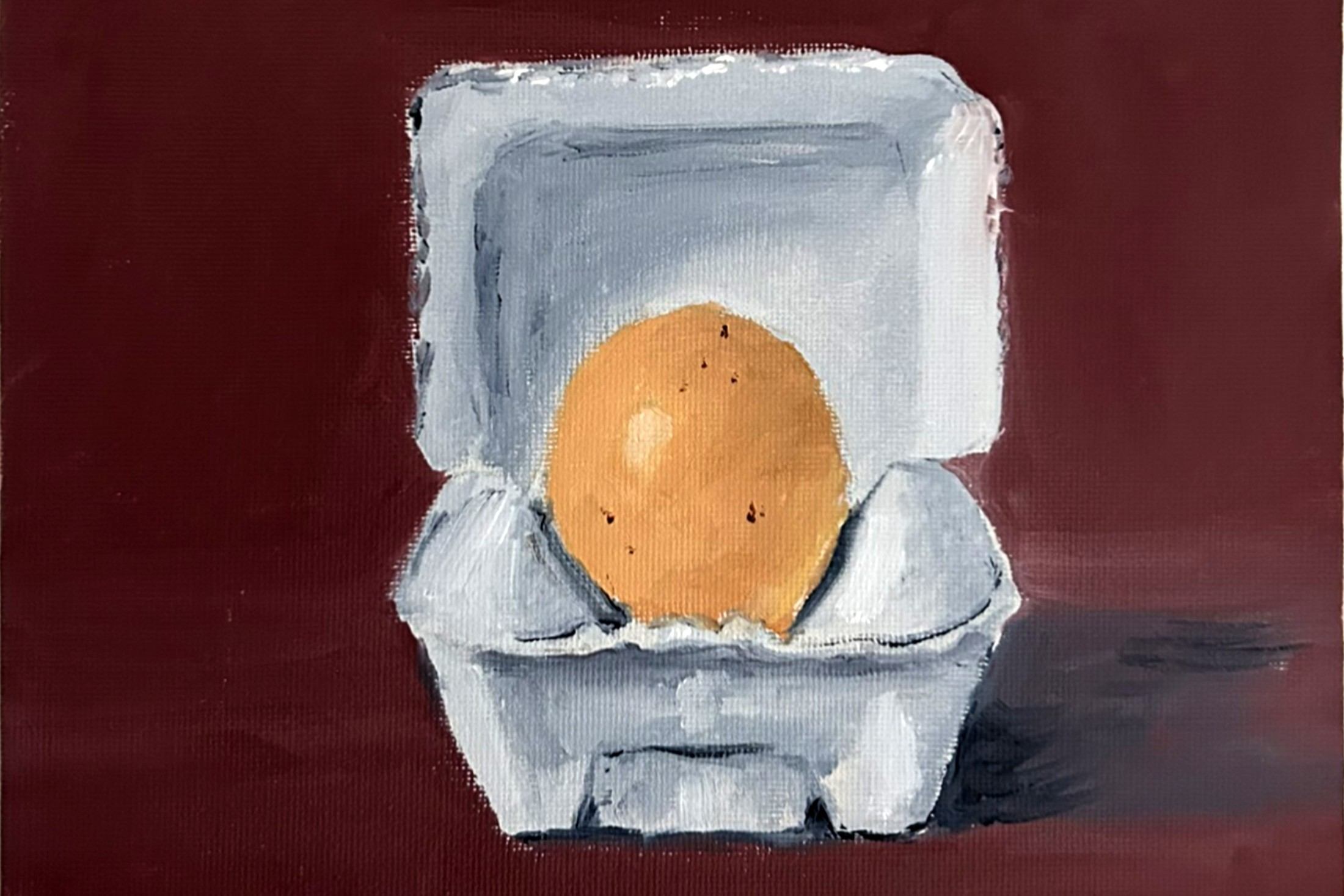
Just One Egg
A few months ago, I bought some oil paints for the first time, simply to experiment and discover how they look and feel compared with acrylics and gouache. It turned out to be a surprisingly rewarding…
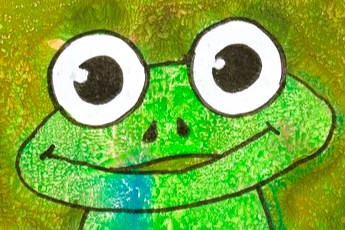
Frogs and Dogs
As I mentioned in my previous blog post, I’ve been returning to gelli printing this past week and experimenting with a range of techniques. It has been a refreshing way to get back into the studio: pl…