Frogs and Dogs
As I mentioned in my previous blog post, I’ve been returning to gelli printing this past week and experimenting with a range of techniques. It has been a refreshing way to get back into the studio: playful, direct, and full of surprises. In this post I’d like to share one of those approaches: working with simple templates.
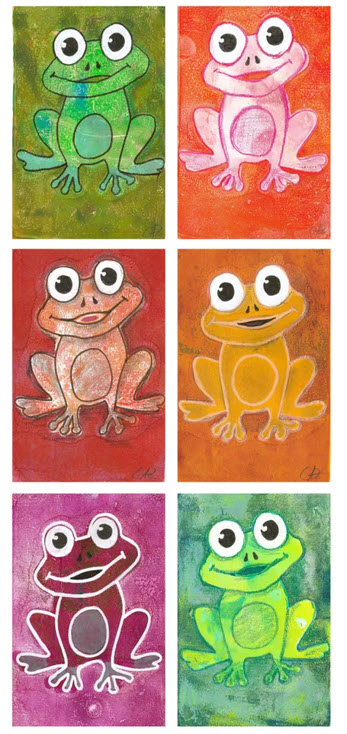
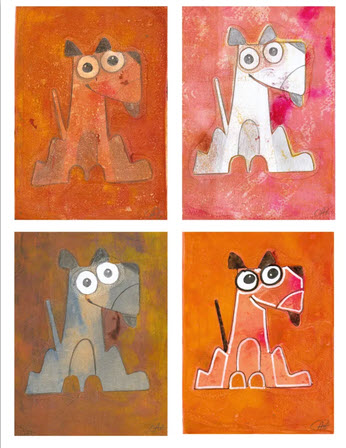
I began by sketching a dog and, later on, a frog. These drawings were then carefully cut out to create stencils that could be placed on the gelli plate. By moving the templates around and printing in stages, I was able to explore both positive and negative shapes. Sometimes I printed the main image first and then used the remaining paint for a ghost print; at other times I started with the template already on the plate and built up layers around it. Each pull from the plate produced a slightly different result unexpected textures, subtle overlaps, and lively variations in tone.
One of the pleasures of gelli printing is that the process doesn’t end when the paper comes off the plate. After the prints had dried, I continued working into them with pencil, acrylic pens, and oil pastels. This allowed me to emphasize certain contours, add small details, or introduce new lines and colors. In this way, the prints became a dialogue between printmaking and drawing, between chance and intention.
The results are shown here: six frog prints and four dog prints, each with its own character. Although they all began from the same simple templates, every print evolved differently through layering, ghost printing, and hand-drawn additions. For me, this is what makes gelli printing so engaging—it invites experimentation, rewards curiosity, and keeps the process light and exploratory.
Latest Blog Posts
Sweet Cherries
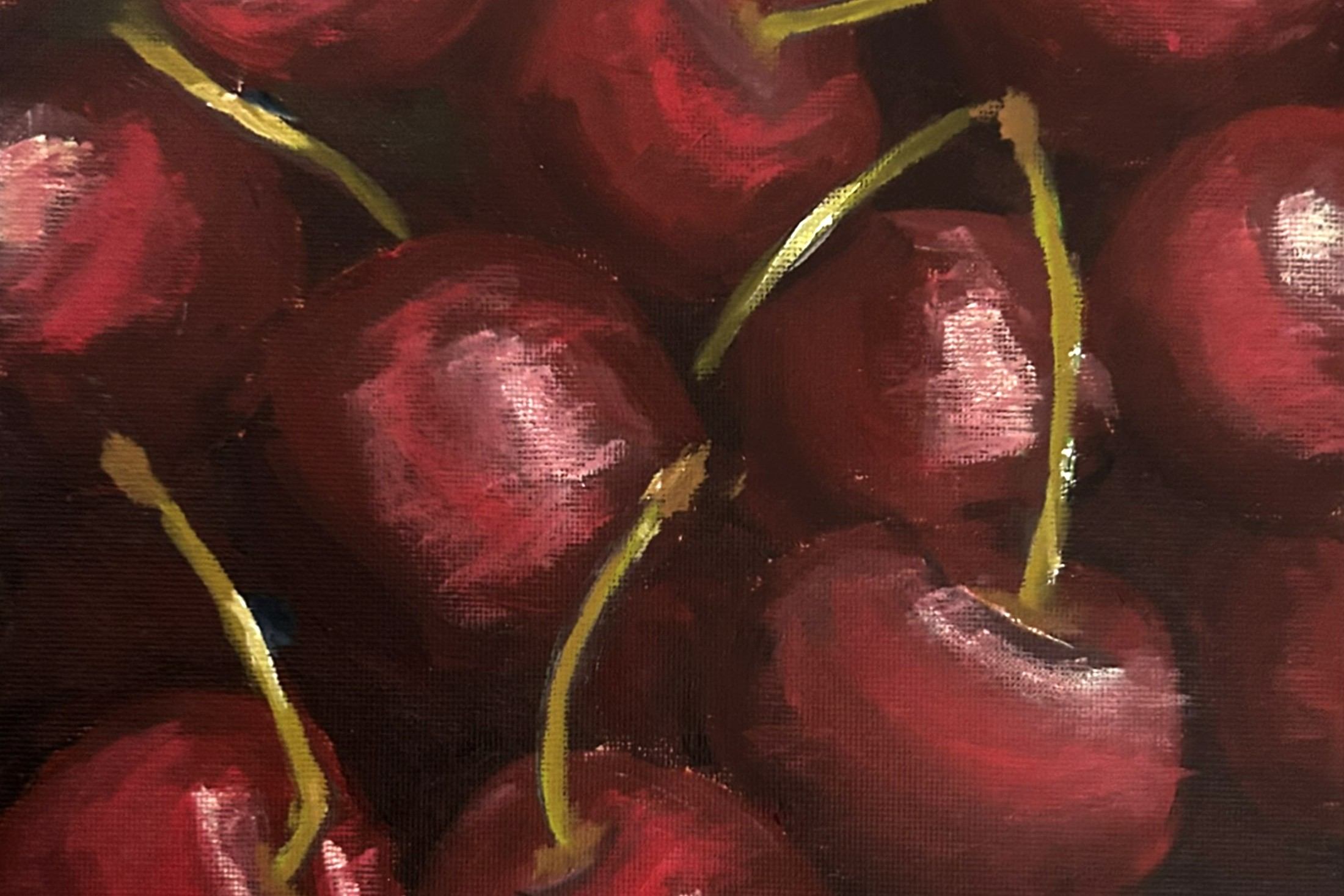
Another finished oil painting, again on a small canvas board, this time featuring sweet, ripe cherries.
Just One Egg
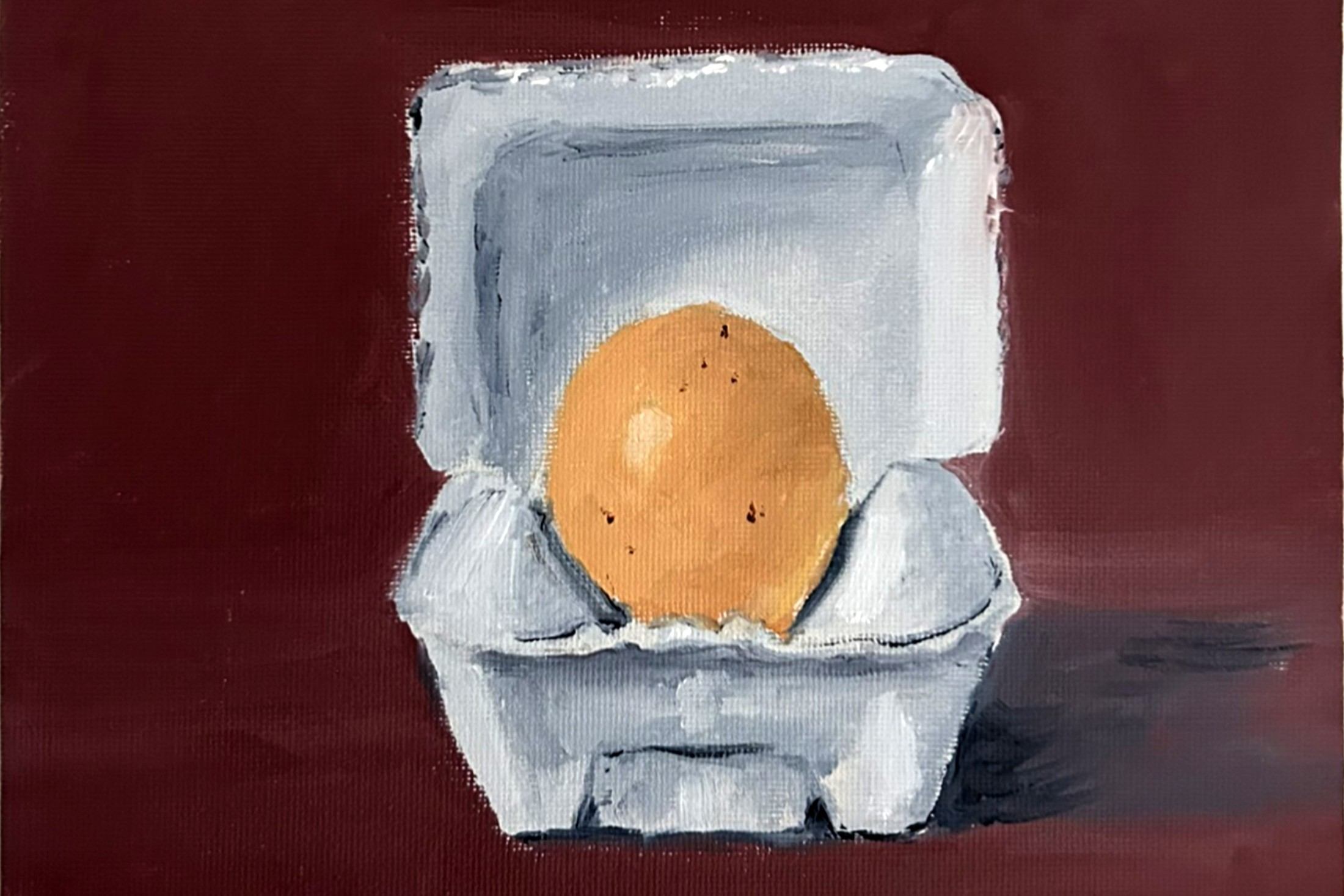
A few months ago, I bought some oil paints for the first time, simply to experiment and discover how they look and feel compared with acrylics and gouache. It turned out to be a surprisingly rewarding…
Two plus Two Fish
Over the past month, my printmaking table has been noticeably quieter than usual. Other projects, daily routines, and the simple rhythm of life gradually took over, and printmaking moved temporarily i…